
Diabetes Printable Glycemic Index Chart
Diabetes Printable Glycemic Index Chart - Web to help you understand how the foods you are eating might impact your blood glucose level, here is an abbreviated chart of the glycemic index and glycemic load, per serving, for more than 100 common foods. The glycemic index charts below lists common foods followed by their serving size and glycemic index number, according to the gi database compiled by the university of sydney and cited by the usda. The general gi thresholds, per the american diabetes association (ada), are: There are three gi categories: Managing diabetes from day to day is up to you. Web one with a gi of 95 acts like pure glucose. Glycemic index values were developed by a rigorous testing process using 10 or more people for each food. Web pure glucose itself has a gi of 100. Low glycemic foods have a slower, smaller effect. Foods with a high gi increase blood sugar higher and faster than foods with a low gi. Managing diabetes from day to day is up to you. What is the glycemic index? Blood sugar levels are raised after a person eats foods containing carbohydrates There are three gi categories: A ranking system for carbohydrates called the glycemic index (gi) is based on how quickly they affect blood glucose or blood sugar levels. Everyone knows that vegetables are healthier than cookies. Complete up to date table of glycemic index values collected from all available studies. Foods with a high gi increase blood sugar higher and faster than foods with a low gi. They are grouped according to range and food type. Foods with a lower gi number raise blood sugar levels slower than. Everyone knows that vegetables are healthier than cookies. There are three gi categories: Web the following charts highlight low, medium, and high gi foods based on data from the american diabetes association. Web the glycemic index, or gi, uses a scale of numbers from 1 to 100 to rank carbohydrate foods by how quickly a serving size of each raises. A low gi is a sign of better quality. There are three gi categories: Web one with a gi of 95 acts like pure glucose. Foods with a high gi increase blood sugar higher and faster than foods with a low gi. What is the glycemic index? Managing diabetes from day to day is up to you. Foods with a high gi increase blood glucose higher and faster than foods with a low gi. Web healthy food choices for people with diabetes. Complete up to date table of glycemic index values collected from all available studies. The glycemic index quick guide. How glycemic index is measured. Foods with a high gi increase blood sugar higher and faster compared to foods with a low gi. Web this page provides a comprehensive gi index chart and their corresponding glycemic index and glycemic load values for easy reference. Blood sugar levels are raised after a person eats foods containing carbohydrates Web the gi index. Web what is the glycemic index (gi)? Web on the glycemic index scale, foods are generally ranked as low gi (0 to 55), medium gi (56 to 69), or high gi (70+). A ranking system for carbohydrates called the glycemic index (gi) is based on how quickly they affect blood glucose or blood sugar levels. Foods with a high gi. Web to help you understand how the foods you are eating might impact your blood glucose level, here is an abbreviated chart of the glycemic index and glycemic load, per serving, for more than 100 common foods. Web the glycemic index of a food refers to the effect the food has on the body’s blood sugar levels. What is the. They are grouped according to range and food type. With your blood glucose levels often affected by the type of carbohydrate foods you eat, the glycemic index can help you identify which foods to eat. Foods with a low gi. It is claimed that the higher the gi number, the greater the effect is on your blood sugar. Web the. Glycemic index values were developed by a rigorous testing process using 10 or more people for each food. Foods with a low gi. Web on the glycemic index scale, foods are generally ranked as low gi (0 to 55), medium gi (56 to 69), or high gi (70+). Managing diabetes from day to day is up to you. The standardized. Slowly absorbed carbohydrates have a low gi rating (55 or below), and include most fruits and vegetables, unsweetened milk, nuts, pulses, some wholegrain cereals and bread. Web the following charts highlight low, medium, and high gi foods based on data from the american diabetes association. Glycemic index values were developed by a rigorous testing process using 10 or more people for each food. The glycemic index quick guide. Web on the glycemic index scale, foods are generally ranked as low gi (0 to 55), medium gi (56 to 69), or high gi (70+). Eating foods with a lower gi may result in a more gradual rise in your blood sugar level. Foods with a high gi increase blood glucose higher and faster than foods with a low gi. Web to help you understand how the foods you are eating might impact your blood glucose level, here is an abbreviated chart of the glycemic index and glycemic load, per serving, for more than 100 common foods. Web the gi index runs from 0 to 100 and usually uses pure glucose, which has a gi of around 100, as the reference. The general gi thresholds, per the american diabetes association (ada), are: Web the glycemic index classifies foods that contain carbohydrates according to their potential to raise blood sugar. Foods with a low gi. Web one with a gi of 95 acts like pure glucose. But there are also best choices within each food group. It is claimed that the higher the gi number, the greater the effect is on your blood sugar. Foods with a high gi are easy for the body to digest and absorb, causing a quick rise in blood sugar.
Printable Glycemic Index Chart For Diabetics

List Of Glycemic Index Foods Printable

Printable Glycemic Index Chart For Diabetics
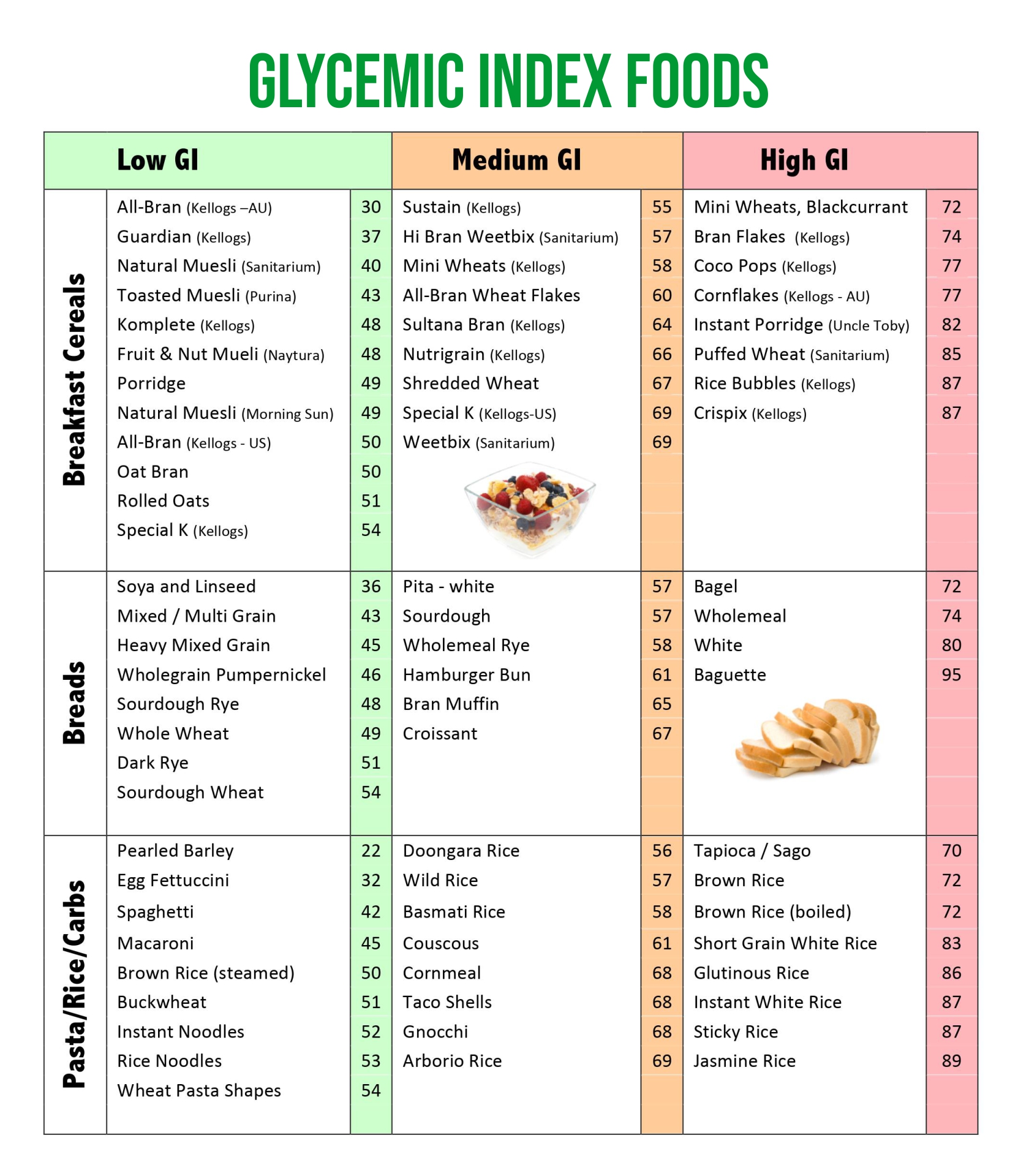
Full Glycemic Index Food List Printable Chart
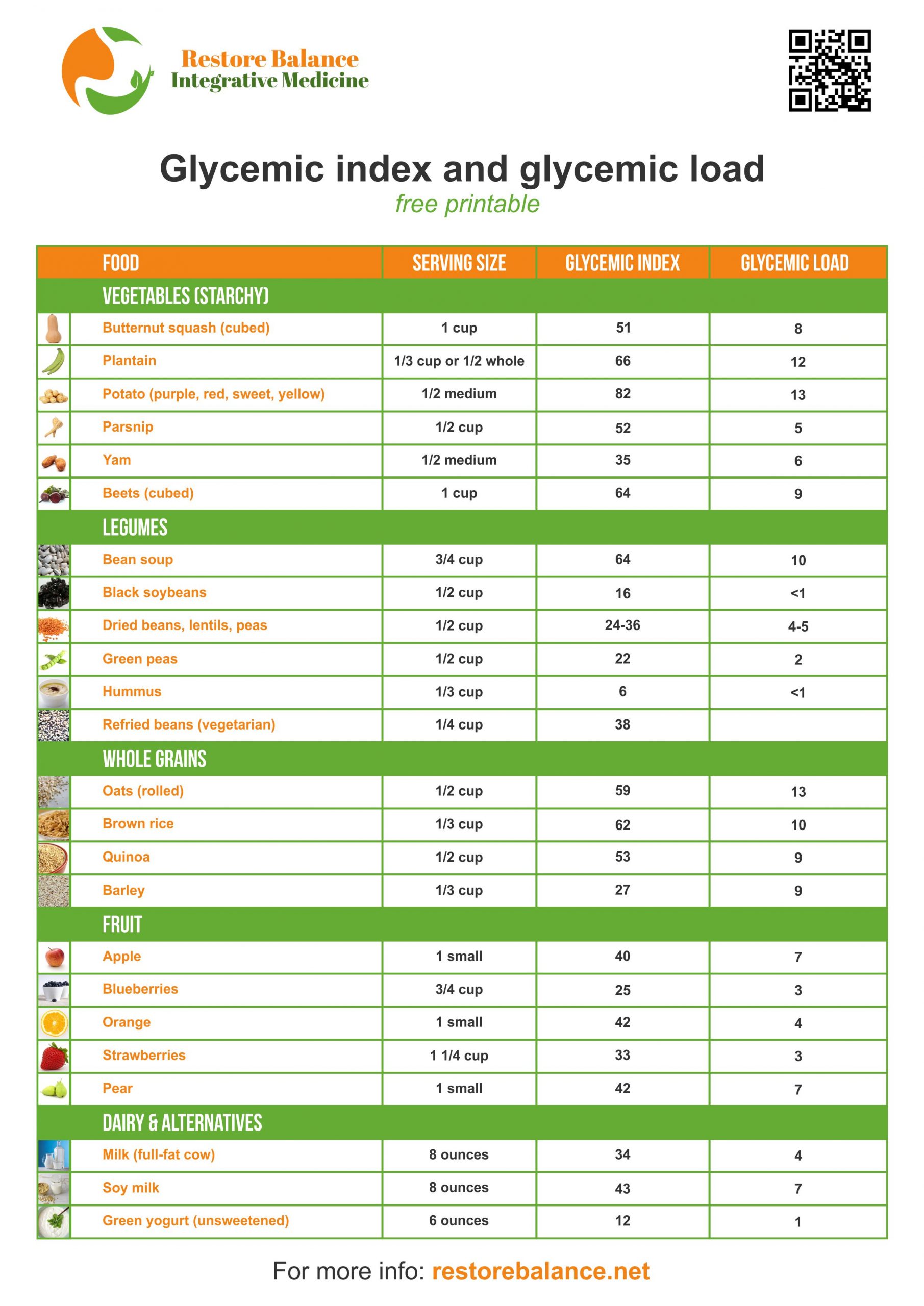
Glycemic index and glycemic load free printable Restore Balance
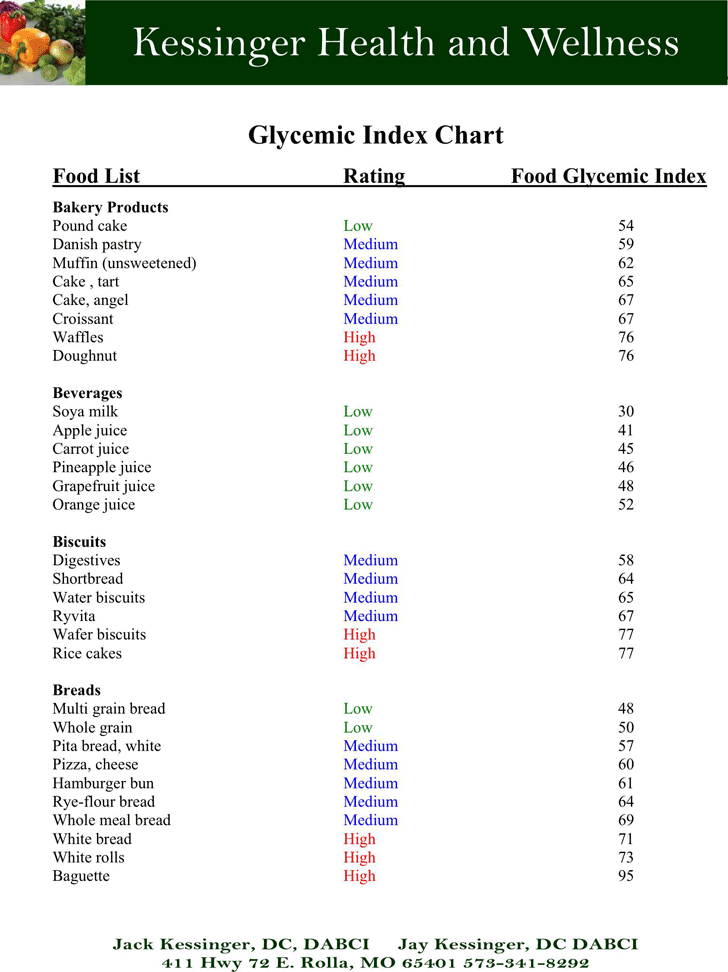
Printable Glycemic Index And Load Chart Pdf

Glycemic Index Printable Chart
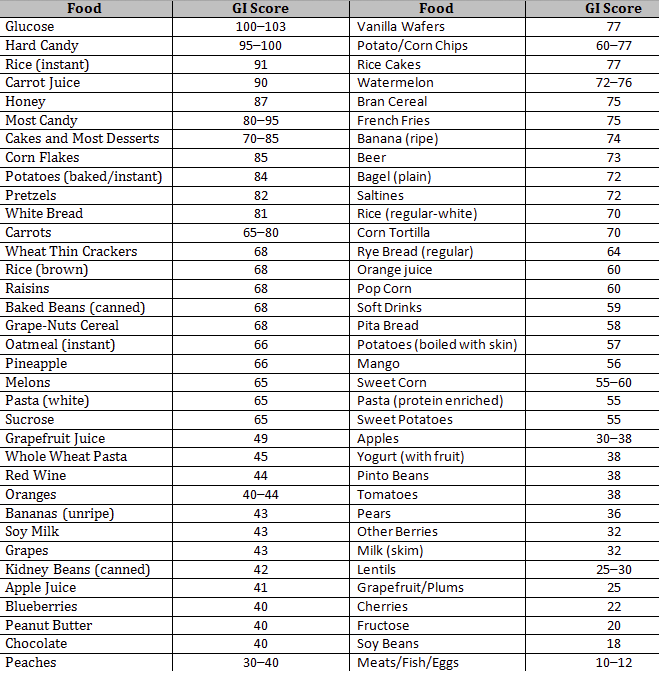
Glycemic Index Printable Chart
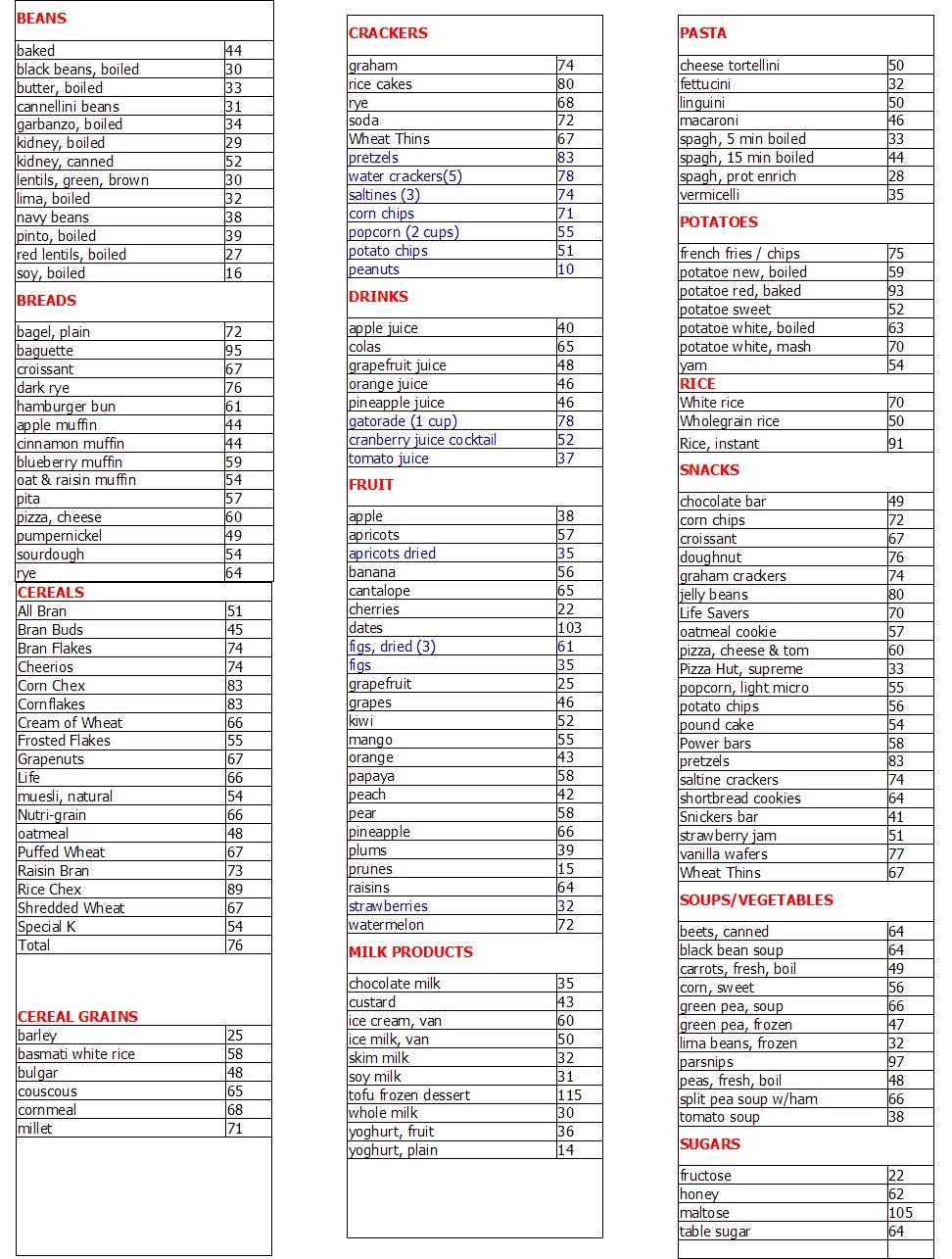
Printable Glycemic Index And Load Chart

Printable Glycemic Index And Load Chart
Gi Chart For 600+ Common Foods That Is Updated Constantly.
The Standardized Glycemic Index Ranges From 0.
Web Pure Glucose Itself Has A Gi Of 100.
Web The Glycemic Index (Gi) Is A Measure Of How Fast A Food Raises The Blood Sugar Level.
Related Post: